McGill's Group to Seek Legal Advice as Ministers Reject £16M Bid to Boost Scottish-Built Electric Buses
2 months ago
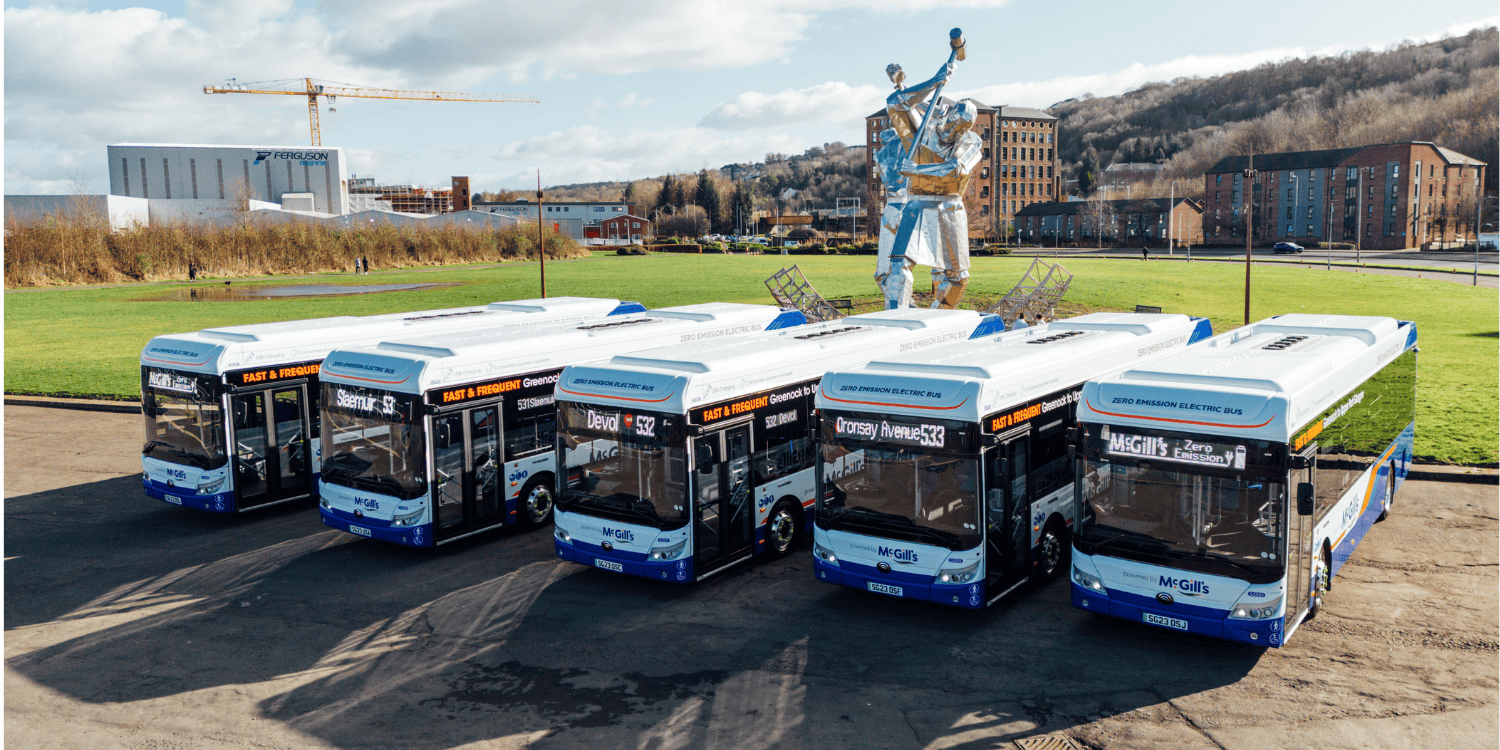
McGill’s Group has voiced concern at the Scottish Government after its £4.3 million bid to expand its electric bus fleet was rejected in the latest round of funding from the Scottish Zero Emission Bus Challenge Fund (ScotZEB).
The UK’s largest independent bus operator, owned by Sandy and James Easdale, had sought support to purchase 33 new zero-emission vehicles from Larbert-based manufacturer Alexander Dennis – a move it says would have backed Scottish jobs while accelerating the transition away from diesel.
The decision also comes on the day it was announced McGill’s Group was now the UK’s favourite bus operator, with 97% approval from passengers in a survey by watchdog Transport Focus.
ScotZEB is intended to drive the rollout of zero-emission buses and support the Scottish Government’s net zero target by 2045. The funding would have enabled McGill’s to remove further diesel vehicles from its fleet across Scotland, including services operated by Xplore Dundee and Midland Bluebird.
Instead, the largest single award – worth just over £13 million – was granted to an intercity coach operator to add 100 Chinese coaches to its existing network which would not replace a single diesel vehicle on Scotland’s roads.
McGill’s Group said it is now taking legal advice in a bid to force a rethink by the Scottish Government and its agency, Transport Scotland, over the inappropriate allocation of funding.
Ralph Roberts, Chairman of McGill’s Group, said: “McGill’s Group made a bid which would have been worth £16 million to Alexander Dennis and supported skilled manufacturing jobs here in Scotland. We are disappointed that we were unsuccessful and will be reviewing how the bid was scored with our team.
“The original purpose of these rounds of funding was to convert diesel buses to zero emission – improving air quality in local communities and accelerating the sector’s journey to net zero. It now appears the fund is being used to support new competing services rather than replace existing diesel fleets, which raises serious questions about whether it is delivering on its stated aims.
“It is particularly surprising that this decision comes on the very day independent research named McGill’s as the UK’s favourite bus operator, with a 97% customer satisfaction rating. That reflects the scale of investment we are already making and the quality of service we are delivering for passengers across Scotland.
“This decision makes little sense when you consider that we are already operating at scale, removing diesel buses from communities and investing heavily in zero-emission technology. Supporting operators with a proven track record should be the priority if ministers are serious about hitting their climate targets.
“There is also a fundamental question about fairness and transparency in how this funding has been allocated. We will be looking closely at the scoring process and will consider legal remedies to challenge this decision and ensure the process has been conducted properly.
“Ultimately, if public funding is not being directed towards removing diesel buses from our roads, then the Scottish Government needs to explain how this approach helps deliver cleaner air and a faster transition to net zero.”